Vein issues rarely arrive overnight. For most people, they creep in as heaviness at the end of the day, ankle swelling that leaves a sock imprint, or a cluster of fine red spider veins that spreads over a few seasons. Sometimes they present as bulging, ropey varicose veins that ache after a long shift, or as restless legs that sabotage sleep. When symptoms begin to disrupt daily life, the next step is finding a doctor who treats veins, and doing it well. The difference between an average experience and an excellent one often comes down to asking the right questions and recognizing the right signals.
I have sat across from thousands of patients with venous disease, from young runners with isolated spider veins to retirees with chronic wounds on the shin. The best outcomes come from matching the person to the right expertise, not just the nearest clinic. Below is an experienced roadmap to help you find a vein specialist who can sort out what is cosmetic, what is medical, and what deserves careful long‑term attention.
Understanding who treats veins
The vocabulary gets confusing fast: vein doctor, vein specialist, vascular surgeon, phlebologist, interventional radiologist, vein treatment provider. These titles overlap, but they do not mean the same thing.
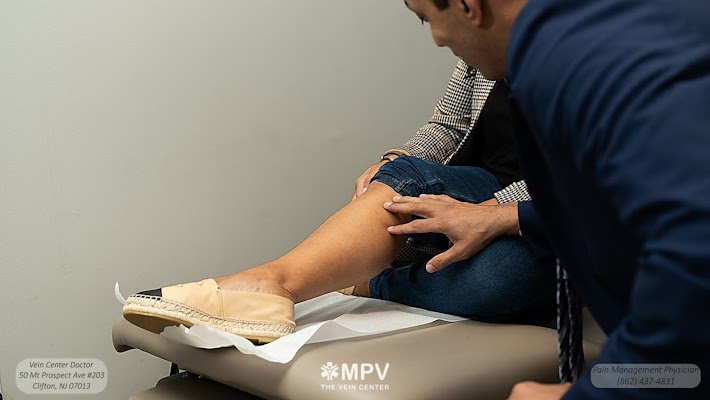
Veins live within the larger vascular system, so training usually starts in one of four arenas. Vascular surgeons complete surgical residencies and dedicated vascular training, and many function as the surgical backbone for complex venous reconstructions or deep venous procedures. Interventional radiologists come from radiology, then specialize in minimally invasive endovascular work using imaging. Interventional cardiologists sometimes treat venous disease as part of endovascular practice. Some internists, dermatologists, or emergency physicians pursue focused fellowship or board certification in venous and lymphatic medicine. These doctors may identify as vein care doctors, venous disease specialists, or vein medical specialists.
None of these routes is inherently better. What matters is whether your doctor for veins keeps current with modern venous diagnostics and procedures, and whether they do enough cases to stay sharp. For straightforward spider veins, an experienced spider vein doctor can come from dermatology or vascular medicine. For extensive varicose veins tied to saphenous reflux, a varicose vein doctor trained in endovenous ablation will be essential. For deep venous obstruction, pelvic congestion, or venous ulcers, seek a vascular vein specialist or vascular surgeon with specific venous expertise.
Symptoms that point toward a vein evaluation
Not every leg ache is vascular, but a pattern helps. Heaviness by late afternoon, calf or ankle swelling that improves overnight, leg cramps, burning or itching along visible veins, and skin changes near the ankle hint at chronic venous insufficiency. Brownish staining, Additional reading hardening of the skin, or a nonhealing sore on the lower leg points to more advanced disease. Sudden painful swelling in one leg, particularly with tenderness behind the knee or calf, can signal a clot and needs urgent evaluation by a vascular circulation doctor or the emergency department.
People often dismiss spider veins as purely cosmetic. They can be, yet clusters around the ankle or the outer thigh sometimes reflect underlying reflux. A spider veins specialist who performs ultrasound‑guided evaluation before treatment can spot this pattern and prevent quick fixes that do not last.
Athletes can develop exercise‑induced venous symptoms and confuse them with overuse injuries. Women after multiple pregnancies often notice new varicose veins and pelvic heaviness. Workers on concrete floors for ten‑hour shifts come in with ankle swelling that worsens through the week. Each pattern tells a story. An experienced vein doctor will parse these details before prescribing any procedure.
What high‑quality vein care looks like
The first visit sets the tone. A good vein clinic doctor will listen to your history, ask about symptoms across the day, examine you standing and sitting, check for skin changes, and, when indicated, order a duplex ultrasound. This ultrasound is not a generic scan. It is a targeted venous reflux study performed by a technologist skilled in venous testing, with you in positions that provoke reflux. The interpretation should tie directly to your symptoms. If the scan is rushed, done only lying down, or reported as normal without measurements, be cautious.
From that evaluation, your vein disease doctor should outline the options with pros and cons. Conservative care includes graded compression stockings, calf‑pump exercises, weight management if relevant, leg elevation, and job modifications where possible. If symptoms or anatomy warrant intervention, modern treatments are minimally invasive and office‑based. Thermal ablation uses radiofrequency or laser energy to close the faulty saphenous vein. Nonthermal techniques like cyanoacrylate adhesive closure, mechanochemical ablation, or ultrasound‑guided foam sclerotherapy target select segments. Superficial spider veins often respond to liquid sclerotherapy or surface lasers. An effective vein treatment doctor explains why a given approach fits your anatomy, rather than defaulting to a single tool.
Deep venous problems such as iliac vein compression or chronic clot may require venography and stenting by a vascular surgeon or interventional radiologist comfortable with venous stent selection and long‑term surveillance. Not every practice offers this. If your symptoms or ultrasound suggest proximal obstruction, ask whether the doctor for leg veins routinely evaluates for deep disease or refers to a vascular vein expert.
Credentials that matter, beyond the sign on the door
Patients often ask whether they need the “best vein doctor” in their city. The honest answer is you need a certified vein specialist with enough volume and range to handle your problem well. Look for these markers:
- Board certification relevant to veins. This can include vascular surgery, interventional radiology, interventional cardiology, or internal medicine plus dedicated venous certification, such as certification by a recognized venous and lymphatic medicine board. A venous specialist doctor who has taken the time to certify shows commitment to the field. Facility quality. An accredited vascular lab offers better ultrasound accuracy. A clinic with procedural accreditation pays attention to safety, sterilization, and equipment standards. Case mix and experience. Ask how many vein ablations the doctor performs yearly, and whether they treat both truncal reflux and tributary disease. An experienced vein doctor can discuss outcomes, expected recovery, and complication rates in concrete terms. Continuity. Vein problems recur. Choose a vein care provider who schedules follow‑up scans and has a plan for residual varicosities, recurrent spider veins, or new symptoms. The vein health doctor you want cares about results three months out, not just the day of the procedure. Transparent billing. Treatment for symptomatic venous insufficiency is often covered by insurance when criteria are met, including documented symptoms and a trial of compression therapy. Cosmetic spider veins are usually self‑pay. A reputable vein treatment provider will tell you where your case falls and help navigate coverage.
Sorting the marketing from the medicine
The field has matured, but it still includes sites that promise a quick fix for every vein. Beware of one‑size‑fits‑all claims. A vascular doctor for veins who only offers one technique tends to fit your anatomy to that method. The most common overpromises involve treating every spider vein with surface laser without addressing feeder veins, or closing every saphenous vein regardless of symptom severity.
On the other end, some patients are told to wait indefinitely with compression alone even as their skin breaks down. Venous ulcers respond better when reflux is treated and calf pumping restored. If your legs keep swelling, your skin color is changing, or you have a wound that has not healed in 6 to 8 weeks, push for a thorough evaluation by a venous disease specialist.
A quick story illustrates the stakes. A teacher in her 40s came in with calf cramps and spider veins at the ankle. She had tried two rounds of sclerotherapy elsewhere, each time the veins faded and then returned within months. Our ultrasound found reflux in a short segment of the small saphenous vein feeding the area. After a targeted ablation of that segment and follow‑up sclerotherapy, the spider veins cleared and stayed quiet. The difference was not a fancy machine, it was the willingness to look upstream.
How to search locally without wasting weeks
Start with geography, but filter hard. Search terms like doctor who treats veins, vein specialist near me, leg vein doctor, or vein clinic doctor will pull a mix of options. Then check each practice for the markers above: physician credentials, venous ultrasound proficiency, range of treatments, and clear follow‑up protocols. If you see only cosmetic before‑and‑after photos without mention of reflux testing, be cautious.
Primary care physicians and physical therapists witness the day‑to‑day of leg swelling and can recommend a vein care doctor they trust. Podiatrists often spot venous ulcers early. If a clinician you know consistently refers to a particular vascular vein doctor or vein surgeon and gets good feedback from patients, that matters more than a glossy ad.
For people in rural areas, a hybrid approach works. Get the diagnostic duplex ultrasound at a regional vascular lab, then have a teleconsult with a vein evaluation doctor at a center of excellence. If treatment requires a single in‑person visit, the travel burden stays manageable.
What to ask during your consultation
An efficient way to judge a vein treatment specialist is by the clarity of their answers to a few focused questions. Try these during that first meeting:
- Will you perform a reflux ultrasound in standing or reverse Trendelenburg positions, and will a registered vascular technologist do it? Which veins are causing my symptoms, and how do they connect anatomically to the visible varicosities or spider veins? What are my options if we start conservatively, and if we proceed to treatment, which technique fits my case and why? What outcomes do you track, and what percentage of patients need additional sessions? How do you manage complications like phlebitis, nerve irritation, or pigmentation, and who do I call after hours?
If the answers are vague, or the conversation feels like a sales pitch, consider a second opinion. A vein diagnosis specialist should welcome your questions and set realistic expectations.
Modern treatments in plain language
Endovenous ablation, whether radiofrequency or laser, closes a diseased saphenous vein from the inside using heat. It takes about 30 to 45 minutes per leg, uses tumescent numbing along the vein, and most people walk out and return to light activity the same day. A mild bruise or tightness along the treated tract is common for a week or two. A vein ablation doctor will go over nerve locations to minimize risk, especially near the knee and ankle.
Nonthermal methods exist for situations where tumescent anesthesia is not ideal. Cyanoacrylate adhesive closure uses a medical glue to seal segments of the vein. Mechanochemical ablation pairs a rotating wire with a sclerosant. Ultrasound‑guided foam sclerotherapy injects a foamed solution that displaces blood and irritates the vein lining, leading to closure. Each method has a profile of comfort, cost, insurance coverage, and durability. A vein therapy doctor should tailor the choice to your anatomy and goals.
Tributary varicose veins that remain after treating the main reflux can be handled with ambulatory phlebectomy, a series of tiny incisions to remove segments, or with foam sclerotherapy. Some practices combine techniques for efficiency. For cosmetic spider veins, liquid sclerotherapy remains the workhorse. Lasers help with fine facial veins or residual matting, but on the legs, solution‑based treatment still outperforms laser for many patterns. A spider vein doctor who carries multiple sclerosant types and concentrations demonstrates nuance.
Deep venous disease calls for a different toolkit. Iliac vein compression, sometimes called May‑Thurner, can cause unilateral swelling and pain. Here, a vascular specialist veins trained in venography may place a stent to restore flow. Chronic post‑thrombotic syndrome requires patience and layered care: compression, exercise, sometimes lysis or stenting, and close follow‑up. These are not conditions for a purely cosmetic vein practice.
Insurance, cost, and the reality of coverage
Insurers generally cover treatment for symptomatic venous insufficiency when criteria are met. This typically includes documentation of symptoms like aching, heaviness, swelling, night cramps, skin changes, and a trial of compression, often 6 to 12 weeks. A reflux ultrasound that shows significant valvular incompetence in a saphenous vein strengthens the case. Spider veins without symptoms are considered cosmetic and are self‑pay.
Know the codes your vein removal doctor plans to use and ask for a preauthorization. Expect copays and deductibles to apply for covered procedures. If your plan denies coverage despite clear symptoms and ultrasound evidence, an appeal with photos, technologist measurements, and a letter from your vein medical doctor often succeeds. The clinics that do this well have a dedicated staff member who understands payer policies and deadlines.
What recovery actually feels like
Advertisements often show someone jogging the afternoon after treatment. That can be true for healthy patients with isolated reflux, but it is not universal. After ablation, most people walk comfortably and resume office work in 1 to 2 days. Heavier physical jobs may require modified duties for a week. Compression stockings help reduce tenderness and speed bruising resolution. Soreness peaks around day 3 or 4, then fades. Pigmentation along treated veins can take weeks to lighten, especially in darker skin tones. Phlebitis, a tender, inflamed superficial segment, feels scary but resolves with anti‑inflammatories, heat, and walking if your doctor for vein pain confirms no deeper clot.
For sclerotherapy, expect treated veins to look worse before they look better. They darken as blood within the vein breaks down, then clear over 4 to 8 weeks. A spider veins specialist will plan sessions a few weeks apart to gauge response and avoid overtreatment.
If your pain worsens abruptly, your calf becomes hard and swollen on one side, or you develop shortness of breath, call your vein care specialist immediately or seek urgent care. These signals are rare but serious.
When to seek a second opinion
A second opinion is wise if the treatment plan proposes closing multiple saphenous veins without a clear map of reflux, if only cosmetic tools are suggested for legs with significant swelling, or if you feel rushed toward a package of sessions without diagnostic clarity. Likewise, if you have a nonhealing ulcer and are told to return in six months, ask for a referral to a vascular vein expert who manages wounds and deep venous disease regularly.
Patients sometimes feel disloyal seeking another view. Do it anyway if something does not sit right. Good clinicians welcome another set of eyes, and complex venous disease benefits from collaborative thinking.
Special cases that change the plan
Pregnancy, recent clots, active cancer, and connective tissue disorders all shape the approach. During pregnancy, a vein health doctor will favor conservative care, reserve procedures for emergencies, and reassess a few months postpartum. If you have a history of deep vein thrombosis or a clotting disorder, your vein surgeon or vascular circulation doctor will coordinate with hematology and may adjust timing or anticoagulation.
Athletes with external iliac endofibrosis or pelvic congestion syndrome need targeted imaging; general leg vein treatment will not solve those. Patients with lymphedema often have overlapping venous issues. Here, a venous specialist doctor who also understands lymphatic therapy can prevent disappointment by setting the right goals.
Diabetes does not cause varicose veins, but neuropathy can mask symptoms, and wounds heal more slowly. A layered plan that includes podiatry, compression, and cautious procedural timing protects outcomes.
A realistic path from first call to feeling better
A practical sequence keeps momentum. Schedule a visit with a vein consultation doctor who performs or orders a high‑quality reflux ultrasound. Commit to a few weeks of compression and calf‑pump exercises while the results are analyzed. Review the map of your veins with the doctor, decide on treatment if appropriate, and book the session with enough buffer around heavy workdays. Plan for follow‑up to check closure and treat tributaries or spider veins as needed. Keep walking daily throughout the process. Most patients see meaningful relief within a month of definitive treatment, and cosmetic improvements unfold over a few months.
One more anecdote sits with me. A warehouse manager in his early 50s arrived with legs that felt like cinderblocks by noon and brown discoloration around the ankles. He had been told for years to lose weight and wear compression. His ultrasound showed long‑segment reflux in the great saphenous vein on both sides. We closed each side a month apart, treated tributaries with phlebectomy, and set a daily walking goal. At three months, his skin looked healthier and the heaviness had lifted. He still wears compression on long shifts, but he has options now. The most important change was not cosmetic, it was confidence that his legs would carry him through the day.
Bringing it all together
Finding the right doctor specializing in veins does not require luck. It requires a steady checklist: confirm credentials that align with venous care, make sure a proper standing reflux ultrasound guides decisions, expect a treatment plan that fits your anatomy and symptoms, and insist on clear follow‑up. Whether you land with a vascular surgeon veins expert, an interventional radiologist, or a certified vein specialist from internal medicine, the essentials remain the same.
Vein problems are common, they are treatable, and your daily comfort is a worthy goal. A thoughtful vein treatment expert will meet you where you are, explain the terrain ahead, and choose interventions that are as light as possible while still effective. When those pieces come together, people do not just like the look of their legs more, they move through their days with less pain and more energy. That is the outcome worth searching for.